Emotional Eating Without the Shame: Understanding It, Working With It, Needing It Less
Emotional eating is the most shamed and least understood eating pattern — a coping mechanism that works briefly, gets moralized brutally, and responds to curiosity far better than to willpower. The shame-free guide: the mechanics, the toolkit and the life that needs it less.

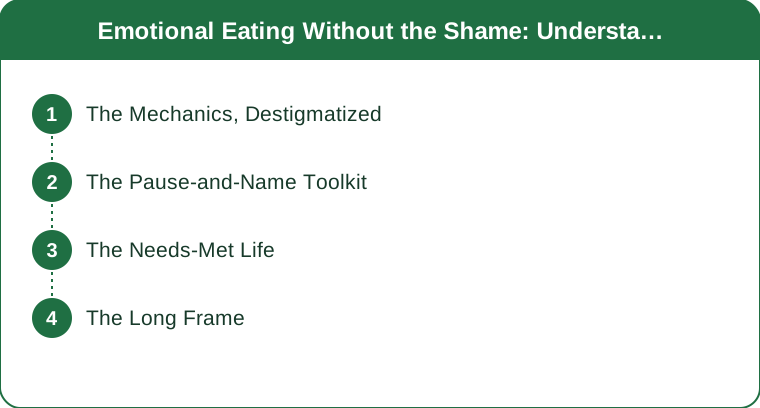
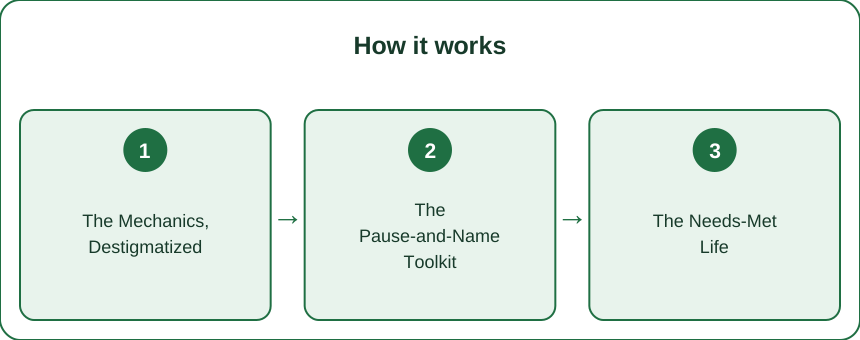
The Mechanics, Destigmatized
What’s actually happening: the coping-function truth (the eating that regulates emotion genuinely working — briefly; the carbohydrate-comfort neurochemistry being real, which is why the habit formed; the mechanism named without moralizing), the learned-loop anatomy (the cue-routine-reward circuit from the habit chapters — the stress arriving, the snack soothing, the loop deepening; the pattern being learning, not weakness), the restriction accelerant (the diet-deprivation that supercharges emotional eating — the forbidden foods carrying double comfort-value; the restrict-then-soothe cycle from the diet-culture chapters; the reason strict diets WORSEN this pattern), the shame spiral (the eating, then the shame, then the eating-to-soothe-the-shame — the second serving being about the first one’s guilt; the shame as fuel, not brake), and the spectrum honesty (the occasional comfort meal being human and fine — the daily-only-coping-tool pattern deserving support; the professional tier for the distress-and-loss-of-control territory per the mental-health doctrine).
The Pause-and-Name Toolkit
Working with the moment: the pause practice (the ten-second delay between urge and action — not to forbid, but to LOOK; the head-hunger test from the hunger-scale chapter; the ‘what am I actually feeling’ question), the naming effect (the emotion labeled — bored, lonely, overwhelmed, angry — losing voltage per the affect-labeling research; the worry-dump doctrine’s mechanism at the pantry door), the needs-matching menu (the named feeling offered its ACTUAL medicine first — the boredom wanting stimulation, the loneliness wanting contact, the overwhelm wanting a list or a walk; the snack demoted from universal answer to one option), the permission clause (the eating chosen ANYWAY sometimes — done slowly, tastily and without shame per the mindful doctrine; the conscious comfort meal beating the unconscious inhale; the both-and that removes the forbidden-fruit charge), and the pattern journal (the urge-context notes that reveal YOUR loops — the 4pm-work-dread snack, the Sunday-evening scroll-and-graze; the cues found being cues addressable).

The Needs-Met Life
Shrinking the demand: the HALT audit (the hungry-angry-lonely-tired check — the emotional eating that’s often literal under-eating and under-sleeping; the regular meals from the hunger-scale doctrine removing half the ‘emotional’ episodes), the stress-tool bench (the walk, breathwork, shower, music and text-a-friend alternatives BUILT before they’re needed — the coping menu that competes with the pantry; the tools from the calm chapters given equal shelf space), the boredom-and-evening architecture (the hands-busy hobbies and the wind-down routine from the evening chapters — the graze hours given better defaults), the connection prescription (the loneliness-eating answered by the community chapters’ actual medicine — the belonging that no snack supplies), and the compassion evidence (the self-kindness research showing LESS emotional eating among the self-compassionate — the harsh inner critic being a trigger, not a coach; the kindness as strategy, not indulgence).
The Long Frame
The realistic arc: the progress definition (the wins being pauses taken, feelings named and choices made — not zero comfort eating ever; the harm-reduction frame from the habit doctrine), the relapse normalcy (the stressful season’s return to old loops read as information — the tools re-reached-for without the shame restart; the pattern-interruption getting faster each cycle), the body-neutrality note (the pattern addressed for how it FEELS — the energy, control and peace — not as a body-size project; the anti-diet framing that actually works per the sustainable chapters), the professional threshold restated (the binge-pattern, distress or entrenchment deserving a therapist or dietitian who treats disordered eating — the strength-not-failure framing of asking), and the destination close (the mature relationship where food is one comfort among many — enjoyed, chosen, un-feared; the emotional eater graduated to a person with feelings AND a full toolkit; the shame, retired as the least useful tool ever issued). Pause, name, match the need, skip the shame: the pattern, understood — and needed less.
Emotional eating is a learned coping loop that works briefly — shame fuels it, restriction supercharges it. Pause ten seconds, name the feeling, offer its real medicine first, and permit conscious comfort meals; regular eating and sleep dissolve half the episodes.
Keep Reading
This article is for general informational purposes only and is not medical advice. Always consult a qualified health professional for guidance specific to you.