Mindful Eating for Beginners: The Anti-Diet That Actually Changes How You Eat
You have likely eaten a whole meal today without tasting it — fork in one hand, phone in the other, plate suddenly empty with no memory of the middle. Modern eating is largely unconscious, and diets respond by adding rules to a process nobody is attending. Mindful eating flips the approach: no foods banned, no points counted — just attention, retrained. The research says that alone changes more than most diets do. Here is the practice, minus the incense.

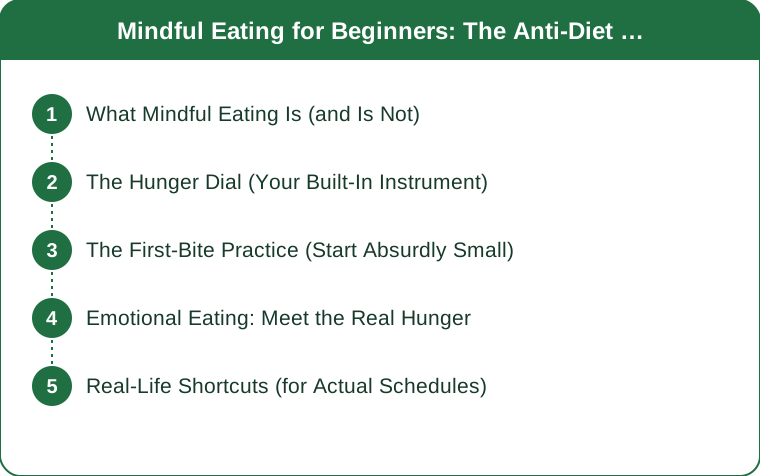
What Mindful Eating Is (and Is Not)
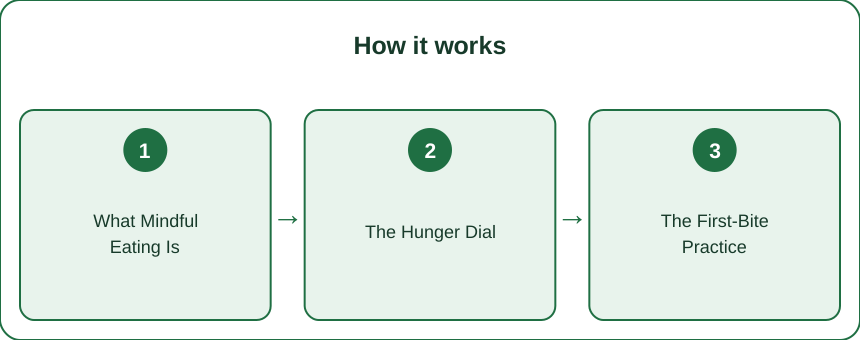
Mindful eating means bringing full, non-judgmental attention to eating: noticing hunger before it is emergency-level, tasting what you chose, catching fullness when it actually arrives. It is not: chewing each bite forty times, eating in ceremonial silence forever, or another purity test to fail. Research links the practice to reduced binge and emotional eating and a calmer relationship with food — precisely because it adds awareness instead of rules. Diets tell you what to eat. Mindfulness reveals how you already do — which turns out to be the more useful information.
The Hunger Dial (Your Built-In Instrument)
The foundational skill is reading your own gauge: before eating, pause three seconds and rate hunger from 1 (hollow, irritable) to 10 (holiday-dinner overfull). The discoveries arrive fast: how often you eat at a neutral 5 out of boredom or clock-time; how waiting until a ravenous 2 guarantees overshooting to a 9; how the ideal eating window — start around 3, stop around 7 — feels physically different from your habits. No food changes yet. Just data collection on a dial you have owned all along and rarely consulted.

The First-Bite Practice (Start Absurdly Small)
Full mindful meals are a lot to ask of a Tuesday, so start with one bite: for the first mouthful of each meal, put the fork down after loading it, and actually taste — texture, temperature, whether it is even good. One bite, three times a day. That tiny wedge of attention interrupts autopilot enough that many people spontaneously slow the whole meal. Add the halfway pause next: mid-plate, stop thirty seconds and re-check the dial. You are not restricting anything. You are just finally present at your own dinner.
Emotional Eating: Meet the Real Hunger
Attention’s biggest revelation is usually this: half our eating answers questions food cannot solve — stress, boredom, loneliness, procrastination. The mindful move is not resistance but curiosity: when a craving hits, name what preceded it (the email? the 4pm slump?) and ask what would actually help — a walk, a rant to a friend, a nap, or yes, sometimes genuinely the cookie, enjoyed with full attention and zero shame. Eating the cookie mindfully and moving on beats eating six numbly and spiraling. The goal is not perfect eating. It is honest eating.
Real-Life Shortcuts (for Actual Schedules)
The livable version: eat one meal or snack per day with zero screens (start with the easiest — often breakfast); serve food onto plates instead of grazing from packages (packages hide portions from your attention on purpose); sit down for everything you eat, even the snack — the act itself triggers awareness; and slow the mechanics slightly by putting the fork down between some bites. None of this requires time you lack. Attention is free; it was just spent elsewhere. Reclaim it one meal a day and let the practice spread on its own schedule.
Mindful eating asks one radical thing: show up to meals you were already having. Rate the hunger, taste the first bite, pause at halfway, get curious about cravings — no rules, no failure state, no foods on trial. Start tonight with a single screen-free dinner. The diet industry profits from your inattention; your body has been waiting patiently to talk. This is how the conversation restarts.
Keep Reading
This article is for general informational purposes only and is not medical advice. Always consult a qualified health professional for guidance specific to you.