7 Reasons You Keep Reaching for Snacks an Hour After Dinner
Quick Answer: Post-dinner snacking is rarely true hunger — it’s usually thirst, boredom, an under-portioned dinner, or a habit loop tied to the couch and TV. Fixing the specific cause (not willpower) is what actually stops it.
It’s 8:45pm, dinner’s long done, and you’re back in the kitchen anyway. If this happens most nights, the fix isn’t more discipline — it’s figuring out which of these seven things is actually driving it.
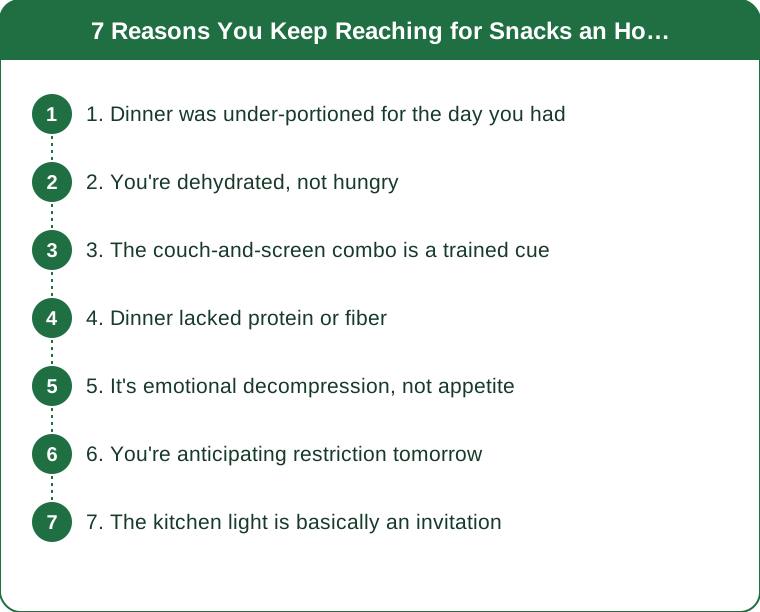
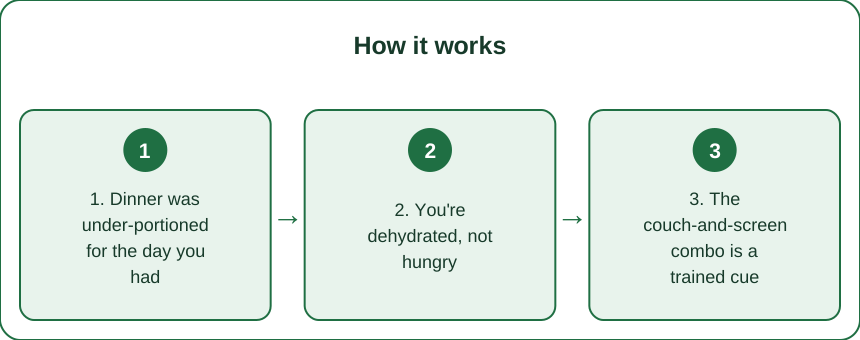
1. Dinner was under-portioned for the day you had
If lunch was light or skipped, dinner often can’t make up the deficit even if it looks like a normal-sized plate. Your body keeps signaling for fuel hours later. Check whether your snack nights follow your lighter-lunch days — that correlation alone tells you a lot.
2. You’re dehydrated, not hungry
Thirst and hunger signals overlap in the brain, and by evening most people are behind on water for the day. A full glass of water, waited out for ten minutes, resolves a surprising share of ‘hunger’ that shows up right after dinner.
3. The couch-and-screen combo is a trained cue
If snacking has happened next to the TV for months, sitting down in that spot can trigger the urge on its own — the cue is the couch, not your stomach. Moving the routine (different seat, a short walk first) breaks the automatic link.
4. Dinner lacked protein or fiber
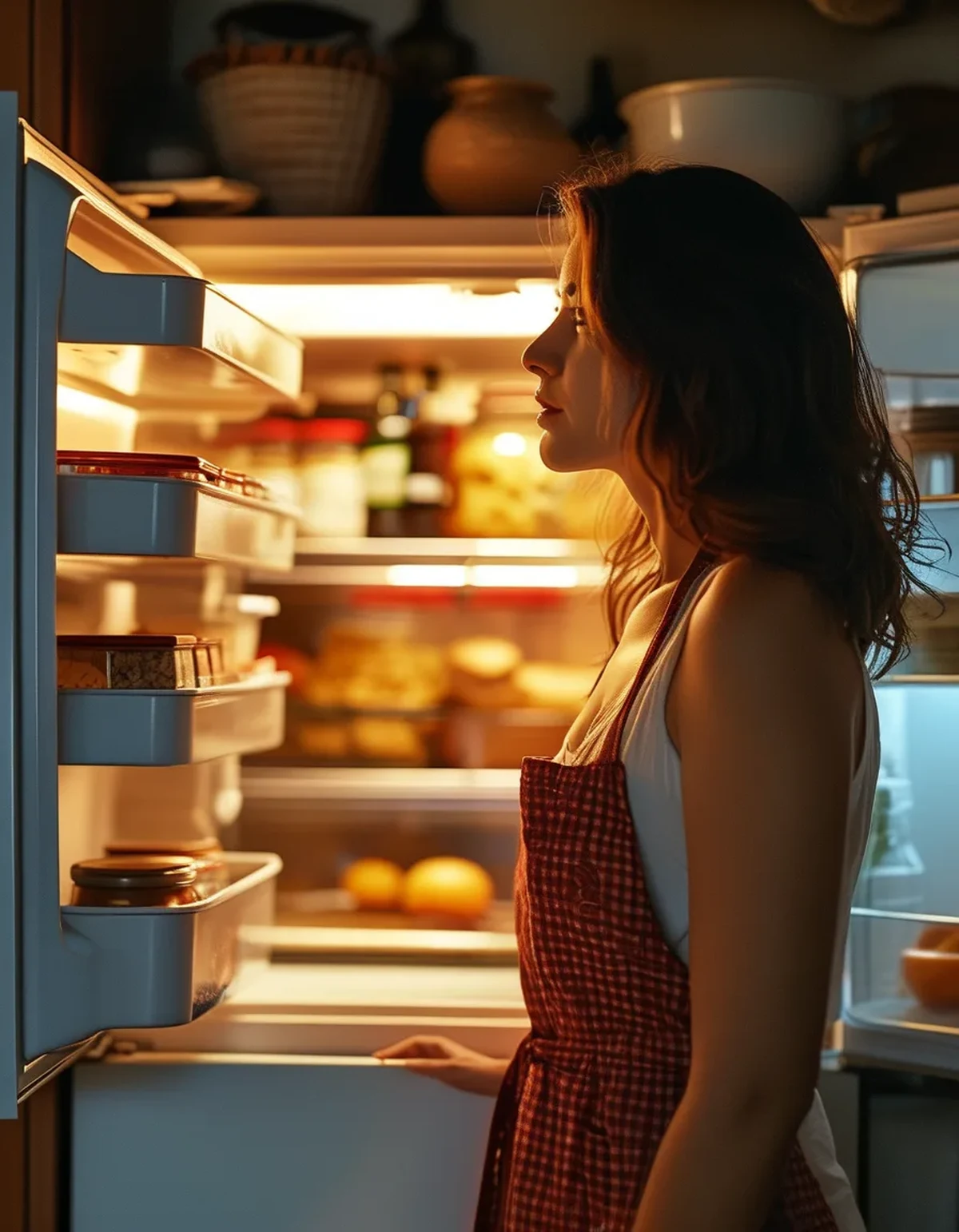
A carb-heavy dinner digests fast and leaves blood sugar dipping within a couple of hours, which reads as hunger. Aiming for a fist-sized protein portion and some fiber at dinner extends fullness well past the 8-9pm window.
5. It’s emotional decompression, not appetite
End-of-day stress relief is a real function food serves, especially if it’s the first quiet moment you’ve had. That’s not a character flaw — but a non-food decompression ritual (tea, a hot shower, ten minutes outside) can meet the same need.
6. You’re anticipating restriction tomorrow
If tomorrow is a ‘diet day’ in your head, tonight can turn into a subconscious last-chance eating session. Loosening that all-or-nothing framing around single days tends to quiet this pattern more than any snack-avoidance trick.
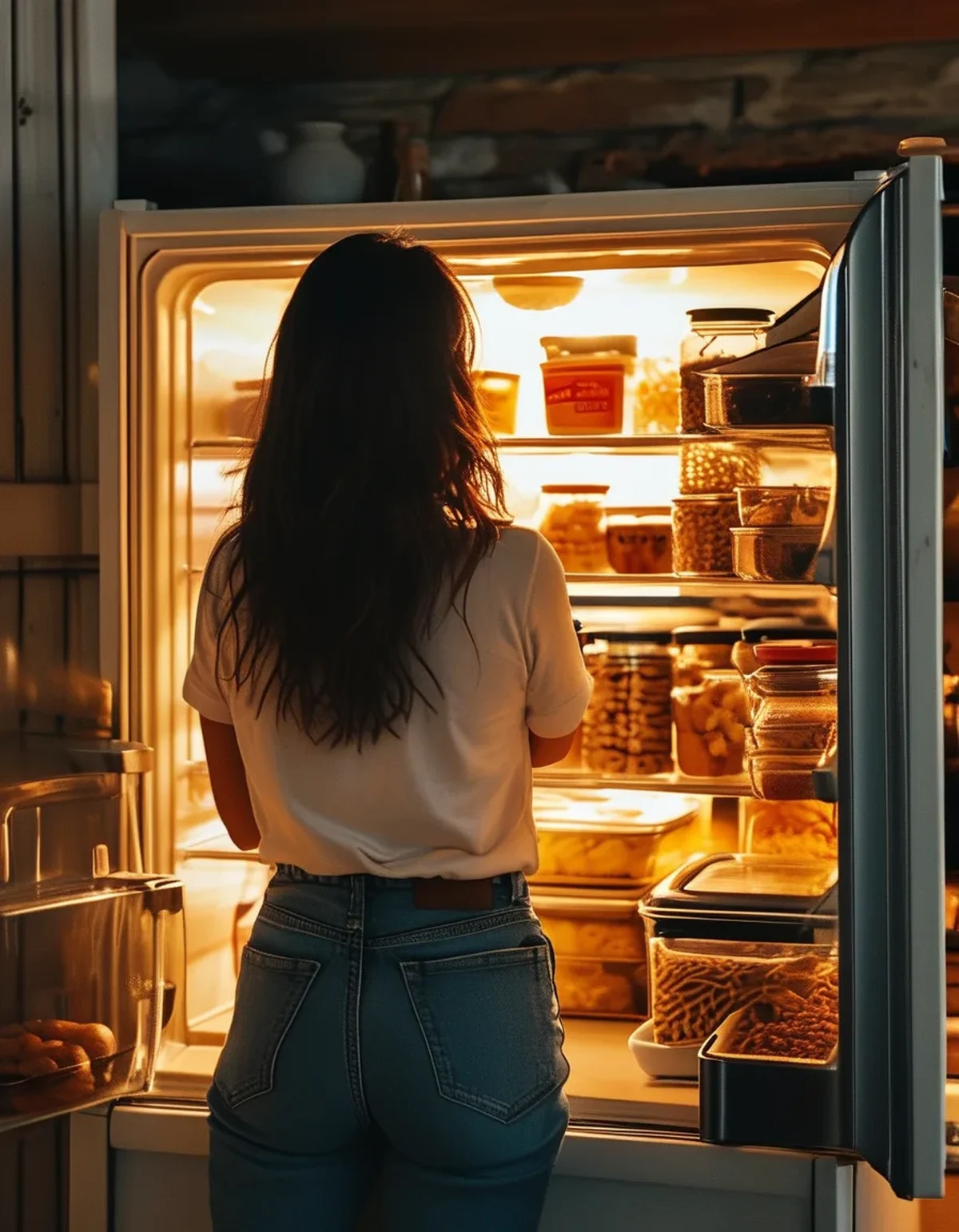
7. The kitchen light is basically an invitation
Simple environmental cue: a bright, accessible kitchen with visible snacks gets visited more than a dim one with things tucked away. Closing up the kitchen — lights off, counters cleared — after dishes removes a surprising amount of the temptation.
TL;DR:
- Post-dinner snacking is usually thirst, habit, or an under-fueled dinner — not true hunger
- Adding protein and fiber at dinner extends fullness past the typical snack window
- Environmental cues (the couch, a lit kitchen) trigger snacking on their own
- Fix the specific cause rather than relying on willpower alone
Once you know which of the seven fits your nights, the fix usually takes a week or two to feel automatic.
Keep Reading
This article is for general informational purposes only and is not medical advice. Always consult a qualified health professional for guidance specific to you.